Basic Cycling Principles — Foundations of Safe Riding
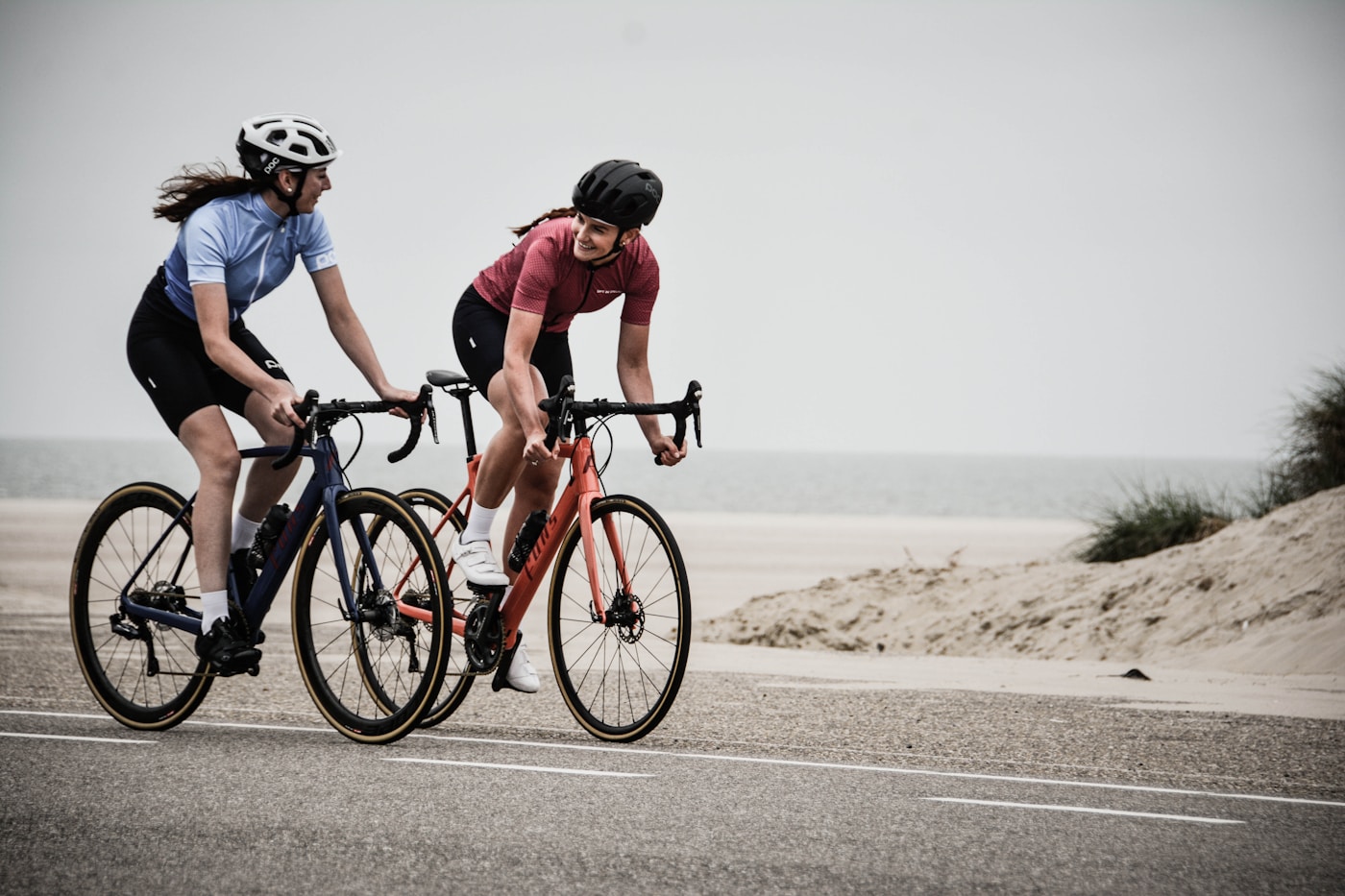
Before we teach officers how to conduct a high-speed pursuit on bicycles, before we show security teams how to navigate a crowd on two wheels — we start with the basics. The principles that follow are the foundation of every safe ride, whether you're commuting to work or navigating a tactical scenario.
The Five Fundamentals
1. Vision
See and be seen. Your eyes are your first line of defense. Look well ahead — not just at the pavement directly in front of your wheel. Scan for hazards: parked cars with occupants, intersections, debris, pedestrians stepping off curbs. Make eye contact with drivers to confirm they've seen you.
2. Balance
Balance is not a static skill — it's dynamic and constantly adjusting. Practice riding at very low speeds to develop your balance reflex. The ability to ride slowly without wobbling is what gives you time to react to hazards.
3. Braking
Most cyclists brake incorrectly. Use both brakes simultaneously, applying more pressure to the front brake but never grabbing it fully — this is how you go over the handlebars. Progressive pressure is the key. In wet conditions, reduce brake pressure significantly.
4. Positioning
Where you ride on the road communicates your intentions and keeps you visible. Ride in the right third of the lane (or full lane when necessary). Avoid the door zone — a minimum of one metre from parked cars.
5. Awareness
Situational awareness means knowing what's happening around you at all times. This doesn't mean paranoid head-swiveling — it means developing a constant mental map of traffic, road conditions, and potential escape routes.
Helmet: Your Non-Negotiable
I cannot stress this enough: a helmet is not optional. In every course we run, participants without a helmet do not ride. This is not negotiable. A properly fitted helmet, worn correctly, is the single most effective piece of safety equipment you own.
"The difference between a cyclist who walks away from a crash and one who doesn't often comes down to one thing: whether they were wearing a helmet."
Practice Makes Permanent
These aren't tips to memorize — they're skills to embed through repetition. Find an empty parking lot and practice:
- Slow riding: See how slowly you can go without putting a foot down
- Quick stops: Practice emergency braking from speed
- Figure eights: Build low-speed balance and steering control
- Look-back checks: Glance over your shoulder without swerving
These drills form the bedrock of our training programs. Master them, and every advanced skill becomes easier.