Where to Ride — Understanding Bike Lanes, Paths, and Shared Roads
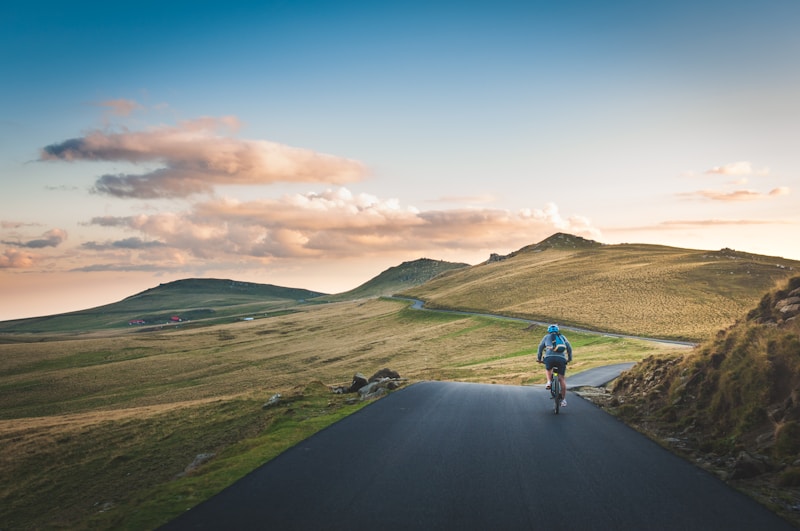
One of the most common questions I get from new cyclists — and even experienced riders — is simply: where am I supposed to ride? The answer depends on infrastructure, road type, and local bylaws, but there are some universal principles that apply across British Columbia.
Types of Cycling Infrastructure
Protected Bike Lanes
These are lanes physically separated from vehicle traffic by barriers, planters, or parked cars. They're the safest form of cycling infrastructure — but that doesn't mean they're without risk. Dooring remains a hazard if the lane runs adjacent to parking. Watch for vehicles crossing your path at intersections and driveways.
On-Street Bike Lanes (Painted)
Painted lanes with a bike symbol and white line offer some separation but no physical protection. Riders should still treat these as part of the roadway. Stay within the lane markings and be cautious at intersections where vehicles may cross your path to turn right.
Multi-Use Paths
Paths shared with pedestrians, rollerbladers, and others require a different approach. Yield to pedestrians, announce your presence ("on your left!"), and keep speed moderate. Bell or voice alerts are essential on multi-use paths.
Shoulders
Paved shoulders are legal to ride on but not mandatory. They're often debris-filled and present hazards like storm grates. If riding on a shoulder, position yourself carefully and be aware that drivers may not expect cyclists there.
The Road: Your Legal Space
"If there's no bike lane, and no separated path — the road is your place. You belong there. Act like it."
Under BC's Motor Vehicle Act, bicycles are vehicles. Cyclists have the same right to use the roadway as any other vehicle. This is not a privilege — it's the law.
Choosing the Right Route
When planning a ride, consider:
- Traffic volume: Lower-speed, lower-volume roads are safer
- Surface conditions: Check for potholes, glass, gravel
- Lighting: Well-lit roads at night
- Connectivity: Does your route have gaps in bike infrastructure that force dangerous transitions?
Our Advanced Traffic Safety course includes route planning and road scanning techniques to help you identify safe riding lines in any environment.